Keep Your Head Right Onsite
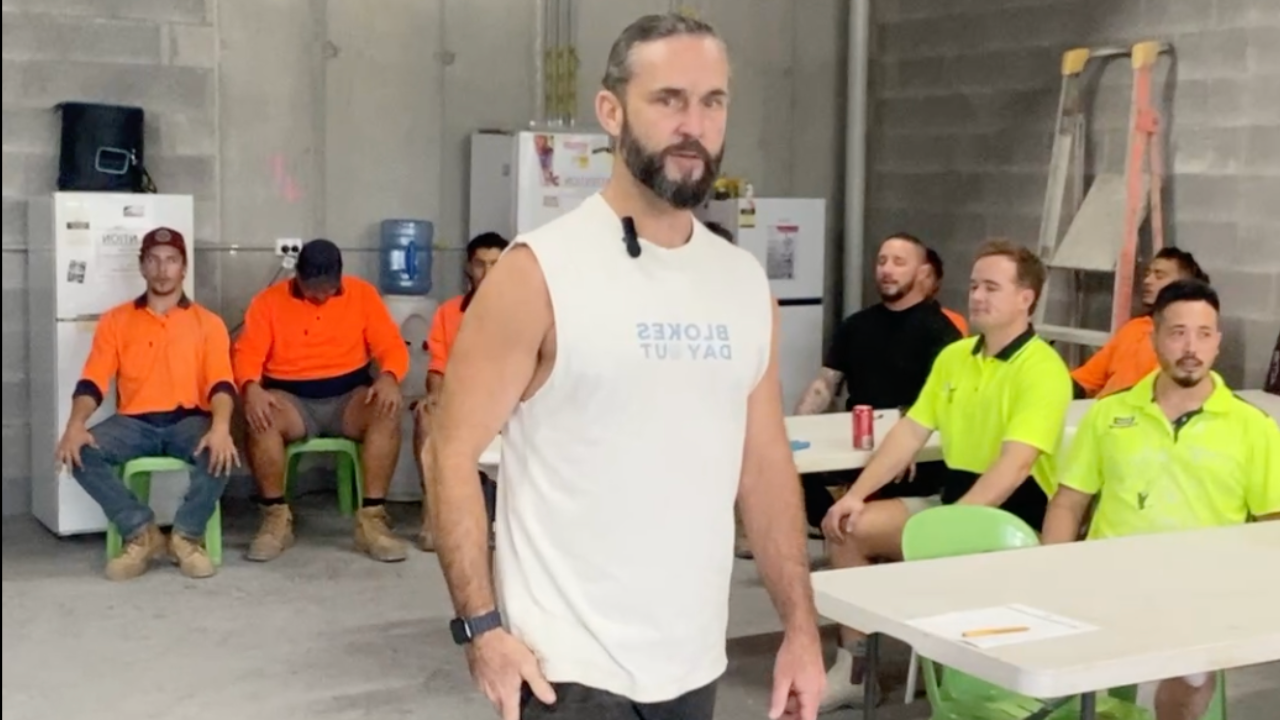
These are practical, on-site workshops for men working under real pressure.
The kind that helps blokes regulate stress, communicate more clearly, and show up stronger - on site and at home.
Delivered live on site and built specifically for construction crews, these workshops focus on simple, usable tools men can apply in real time.
Tools that help reset the nervous system under pressure, improve how crews communicate, and support better decision-making - directly impacting morale, productivity, and safety on site.
Across the construction industry, there’s growing awareness that psychosocial hazards are just as real as physical ones - things like chronic stress, fatigue, unmanaged pressure, poor communication, and role overload.
With that awareness comes a clear responsibility for employers to identify and reduce these risks before they lead to injury, incidents, or time away from work.
These workshops sit comfortably in that space.
They’re not about ticking boxes or running compliance-style training.
They’re about early intervention and prevention - giving crews practical tools that genuinely reduce risk, support mental fitness, and help create safer, more sustainable work environments.
Murf isn’t an outsider dropping in with theory or jargon.
He’s worked in and around construction for years and understands site culture, long days, responsibility, and the pressure that comes with keeping things moving. On top of that, he’s been coaching men in high-stress environments for over two decades.
What really makes this work land is lived experience.
Murf speaks from having navigated serious personal challenges, mental health struggles, relationship breakdowns, and the kind of life pressure that doesn’t switch off when the workday ends.
He knows what it’s like to carry stress home, to hold it together for everyone else, and to keep pushing even when things aren’t okay.
That’s why these workshops connect.
They’re real, relatable, and practical.
Men walk away with tools they can actually use - to calm their system under pressure, communicate more clearly, reset before heading home, and show up more consistently for their crew, their families, and themselves.
This isn’t therapy.
It’s not labels or lectures.
It’s about supporting good men with better tools - and building stronger, safer teams because of it.